

Quick answer
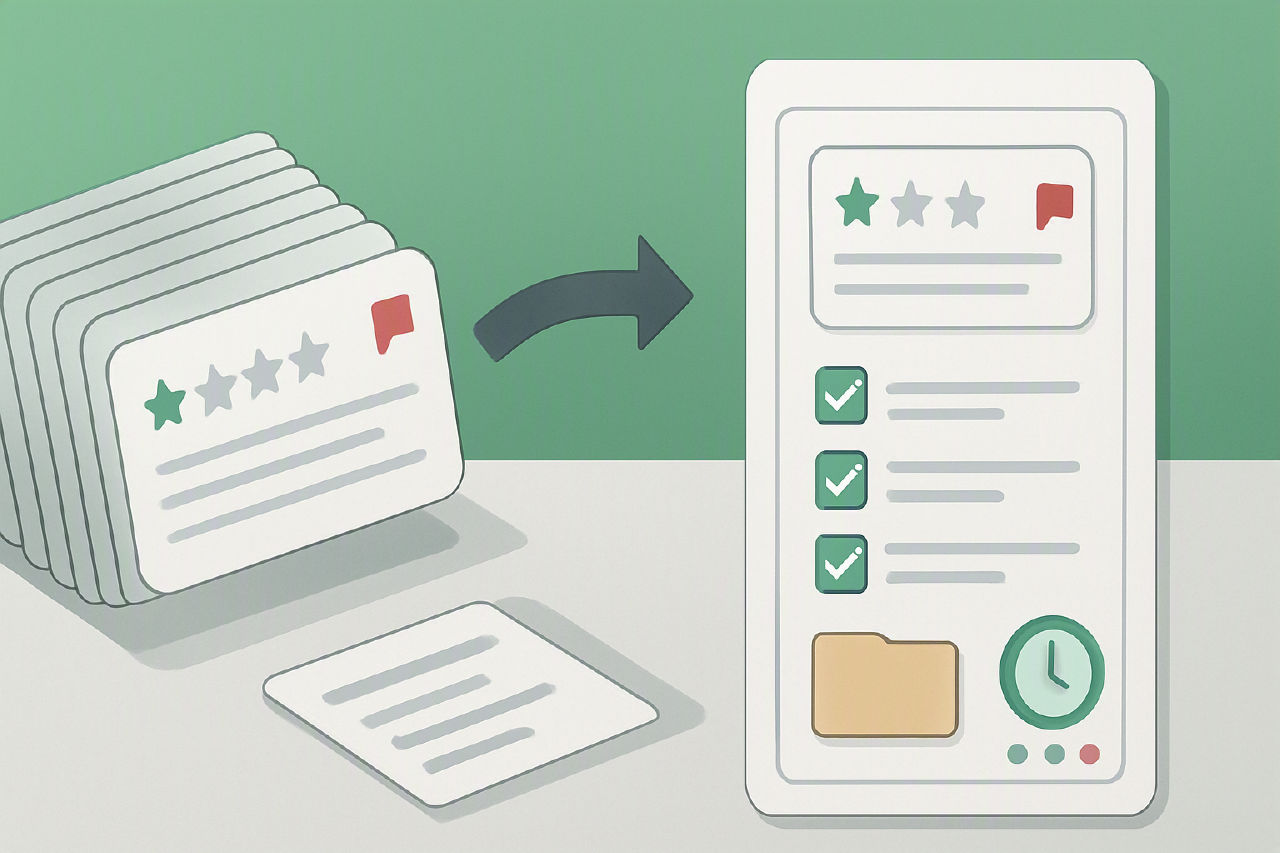
Review bombing is a coordinated burst of negative reviews or ratings aimed at hurting a business, product or listing, usually from people who did not have a real customer experience. The point is pressure, punishment or publicity, rather than fair feedback. On Google, this often falls under the Google Business Profile prohibited and restricted content rules on spam and fake engagement. The practical test is pattern: a sudden spike, repeated wording, accounts from the wrong location, and complaints that do not match any booking, order or support record.
If you are searching what is review bombing, you usually need a definition first and a working response second. This page is written from the operator side, where the first 48 hours matter most: freeze screenshots before profiles change, export review links one by one, group similar wording, and separate genuine service failures from non-customer attacks before you file anything.
At BGR Review, our teams in New York, London and Thornhill handle live listing disputes alongside review growth work for 15,000+ businesses, and the same pattern shows up repeatedly: most platform flags fail when owners send one angry paragraph instead of a link-by-link evidence pack. Where removal is the right route, we keep it simple and transparent: pay after success at $449 per removed review link, with $0 upfront.
What review bombing means
Review bombing is a coordinated surge of unusually negative public ratings or reviews aimed at one target over a short period, usually within hours or a few days of a trigger event. The trigger might be a news story, a social post, a pricing change, a political row, a staff incident caught on video, or a product update that angers a community. The key point is coordination and speed: the volume jumps fast, the tone clusters, and many reviewers appear to react to the same external event rather than a normal customer experience.
The target can be almost anything with a public review profile. Games and films get the headline examples, but the business cases land on Google Business Profile, Trustpilot, Yelp, TripAdvisor and app stores as well, which is why a restaurant, clinic, software company or local trades business can all be hit in the same way. On the business side, that usually looks like a sudden run of 1-star posts, often with similar wording or no usable detail, hitting one listing at once rather than the mixed pattern you get from ordinary unhappy customers.
How review bombing usually starts
Review bombing usually starts with one trigger that gives people a simple story to repeat: a single incident, a rumour, a policy change, a news clip, or one viral post that frames your business as the villain. That trigger then jumps platforms fast. A Reddit thread gets screenshotted into Discord, clipped for TikTok, reposted on X, and dropped into private Facebook or WhatsApp groups, often within the same 24 to 48 hours that BGR Review tells clients to freeze evidence and stop replying ad hoc. By the time the first wave lands, the reviews often mention the same phrase, the same allegation, or the same event.
Many of the people posting have never bought from you, visited you, or used the service they are rating. That matters because most major platforms draw a line between genuine customer experience and coordinated abuse. Google Business Profile's prohibited and restricted content policy bars spam and fake engagement, and Trustpilot's misuse rules also target reviews that do not reflect a real service or buying experience. The mistake we see owners make is treating every new 1-star review as a customer-service issue. Some are. A bombing wave usually starts elsewhere, then uses review platforms as the distribution channel.
What review bombing looks like in the real world
Review bombing in the real world looks like a sudden wave of low ratings from people reacting to a public flashpoint rather than a genuine buying or service experience. Search results fixate on games and films because Steam and app stores make the pattern easy to see, but local listings get hit the same way on Google Business Profile, Yelp and Trustpilot. At BGR Review, these are the profiles that later need a link-by-link evidence pack because the reviewers often mention a headline, a clip or a staff member they never dealt with directly.
A restaurant is the clearest local example. One viral TikTok or Instagram clip can trigger dozens of one-star Google reviews in 24 to 48 hours, even when most of the posters never booked a table, placed an order or appeared in the POS record for that day. Yelp sees the same kind of pile-on after local press coverage, while Trustpilot gets waves tied to delivery disputes, refund posts or influencer callouts that spread beyond the actual customer base.
The trigger changes by industry, but the shape stays consistent: a fast rating drop, repeated wording, and reviewers clustered around one event. Steam and app stores get mass-rating waves after updates, pricing changes or political rows. Google, Yelp and Trustpilot get them after viral clips, media stories and neighbourhood disputes.
Why review bombing matters to businesses
Review bombing matters because a short burst of hostile reviews can cut visibility, drown out genuine customer feedback and damage trust before a platform reviews a single flag. On Google Search and Google Maps, a sudden rating drop changes what people see at the exact moment they choose between nearby options, so fewer searchers click through, call or ask for directions. The harm starts fast; a 24-hour spike during a launch, holiday push or weekend booking window can do more damage than the same posts spread over a month.
The ratings hit is only part of it. Low-detail one-star posts push real reviews further down the page, which means a buyer sees a wall of vague accusations instead of detailed feedback about delivery, service or product quality. That is where most generic guides miss the business problem: even if Google Business Profile or Trustpilot later removes some posts under their review and fraud rules, you still have a live trust issue while the reviews remain public.
If you need help beyond platform flagging, BGR Review handles formal negative review removal on a pay-after-success basis at $449 per removed review link with $0 upfront. That route only makes sense once the visibility and trust damage is already affecting enquiries, bookings or map clicks.
How platforms decide whether a wave is suspicious
Platforms treat a review wave as suspicious when the timing, wording, account behaviour and policy fit look coordinated rather than organic. A sudden burst of one-star posts inside 24 to 48 hours, repeated phrases across multiple accounts, reviewer profiles with little history, and reviews aimed at a news event instead of an actual customer experience all raise flags. That is the core logic behind automated moderation on Google, Trustpilot and Yelp.
Google’s decision point is policy-based, not emotional. If the content breaks the Google Maps user-contributed content policy or falls under fake engagement and off-topic restrictions in Google Business Profile Help, Google may remove it. In practice, the first pass is often automated: visibility can drop, certain reviews stop influencing the public sort order, and only then does a manual review team assess the report. For clients who later ask BGR Review to handle removals, the cases that move fastest usually include link-by-link evidence showing the reviewer had no transaction, booking or service record.
Some platforms act more slowly than owners expect. Trustpilot and Google can take several days to review a cluster report, especially when the text is abusive but not obviously fake on first read. Yelp also relies heavily on its recommendation software, which means a suspicious review may be filtered before it is formally removed. That delay matters, because a wave can stay visible long enough to damage click-through and lead flow even when moderation eventually agrees with you.
When a review spike is not review bombing
A review spike is not review bombing when the posts trace back to one real service failure that customers can verify.
If your courier missed deliveries on 14 May, your checkout failed for half a day, or one branch in London served the wrong menu, a burst of bad reviews can be legitimate. Google Business Profile review policy and Trustpilot’s flagging flow both lean heavily on authenticity, which means platforms will often leave harsh reviews live if they describe a real transaction.
Real customers usually leave fingerprints. They mention the order number format you use, the staff name on shift, the table they booked, the product SKU, the appointment date, or the location they visited. Even angry reviews tend to contain one or two details you can match against your CRM, booking system or till record within the first 24 to 48 hours.
Bombing looks thinner. The wording stays generic, the accounts do not show first-hand experience, and the posts repeat the same accusation without dates, names, receipts or product detail. If you cannot tie a review wave to a single operational event, separate the verifiable complaints from the empty ones before you report anything.
A practical review-bombing evidence pack
An effective review-bombing evidence pack is a dated, link-by-link record of the reviews, the timing, and the trigger event, built within the first 24 hours before edits, deletions, or profile changes muddy the trail.
Start with the review itself. Capture a full screenshot of each review showing the profile name, star rating, date or timestamp, and the live profile URL, then paste the direct review URL into a spreadsheet the same day. BGR Review’s removal work is link-based, so your file should treat every review as its own record rather than a loose folder of images.
| What to log | What to capture | Why it helps |
|---|---|---|
| Review record | Screenshot, review URL, profile link, star rating, timestamp | Gives you a clean, review-by-review evidence trail |
| Text pattern | Repeated phrases, identical wording, copied allegations | Shows coordination rather than separate customer experiences |
| Scope | Affected locations, listings, departments, staff names mentioned | Helps prove the attack is spreading across profiles |
| Trigger | The event that happened just before the spike | Connects the review wave to a public post, dispute, or news item |
Add one line at the top of the sheet with the likely trigger event, the first review time, and every affected location. If three reviews use the same sentence, group them as a wording cluster and tag them clearly. That grouping matters later, because platform moderation usually moves faster when you submit a compact evidence pack instead of reporting each review with no context.
How to report review bombing on major platforms
Reporting review bombing means using each platform’s formal abuse route with the exact policy reason and the exact review links, because broad complaints like “we’re being attacked” usually go nowhere.
| Platform | First route | What to state |
|---|---|---|
| Flag each review in your Google Business Profile, then contact Business Profile support | Point to the relevant Google Business Profile review policy issue: spam, off-topic content, conflict of interest, harassment, or a non-customer claim | |
| Yelp | Use the report option on the review | Explain why the post is irrelevant to a real customer experience or why the reviewer’s authenticity is doubtful |
| Trustpilot / app stores | Flag through the platform’s reporting form | Select the policy-specific reason, such as harmful content, fake experience, or promotional manipulation |
On Google, the weak point is the first flag. A single bulk complaint without links often gets an automated rejection, while a support escalation with review URLs, dates, screenshots, and a short note on why each reviewer does not match your records has a better chance of reaching a human queue. Google’s policy pages at Google Business Profile Help matter more than your opinion of the campaign.
Yelp works the same way in principle, but you need to keep the language narrow. ”
Trustpilot and app stores are stricter about category.
What happens after you report a bombing campaign
After you report a bombing campaign, the platform usually starts with ordinary moderation rather than an instant mass takedown. One flag or one support ticket rarely clears a whole wave in one move, even when the timing looks obvious from your side. Google Business Profile, Trustpilot and Yelp generally review each post against their own content rules, so the first visible change often takes 24 to 72 hours.
Most of the delay comes from verification and queueing. A platform may remove a few reviews first, leave others live, then ask for more detail on appeal because the text is negative but not clearly fake, off-topic or policy-violating. That is the part many business owners misread: a harsh review can survive if it describes a real experience and does not breach the platform's published policy.
Appeals usually take longer than the first moderation pass. Google Business Profile support can ask for specific review URLs, dates and a short explanation per link, while Trustpilot may look at whether the reviewer can be tied to a genuine service experience through its flagging and verification flow.
What businesses should do while reviews are still live
While the reviews are still live, your job is to slow the damage, keep your public responses consistent, and protect real customer feedback from getting drowned out for the next seven to 14 days.
Pause emotional replies first. A defensive response often gives a bombing campaign fresh material. Use one response framework across every location and staff member: acknowledge the comment, say you take feedback seriously, ask the reviewer to contact support privately, and avoid arguing facts in public unless you can verify the person is a real customer under the platform's review policy. If you later need link-by-link removal work, that public trail matters.
Keep asking genuine customers for honest feedback. Do not ask for retaliatory reviews, staff reviews, or any surge designed to “fight back”, because that can create a second policy problem under rules such as the FTC's endorsements framework and platform fake-engagement policies. If you need outside help after moderation stalls, BGR Review handles review packages with a 30-day free replacement guarantee, but the immediate move is clean collection, not panic volume.
Track business impact daily for seven to 14 days: map rankings, calls, leads, and bookings.
Where moderation ends and formal removal work begins
Moderation ends at the flag button; formal removal work starts when you submit a review-by-review evidence file that ties each post to a policy breach. A basic flag tells Google Business Profile, Trustpilot or Yelp that something may be wrong. A formal removal case adds grouped screenshots, profile URLs, posting times, reviewer overlap, and a short policy argument matched to the platform's own rules, such as Google's prohibited and restricted content policy or Trustpilot's flagging categories.
If your first report stalls, escalation usually moves into support tickets, account history and link-by-link arguments. That means showing what changed on the profile, when the spike started, which reviewers have no customer trace, and why each review breaches a named rule instead of simply looking suspicious.
If a review states false facts, the next step may be legal as well as platform-based, but the rules depend on country and platform. In the US, FTC endorsement rules matter for undisclosed paid or incentivised reviews; in the UK, the CMA and DMCC Act regime covers misleading commercial practices; and defamation standards vary by jurisdiction. That is general information, not legal advice. A platform may still refuse removal unless the statement clearly breaches its policy or you provide a court order or equivalent legal document.
A business-side response workflow that actually works
A review-bombing response that actually works is a timed workflow: lock the evidence in hour 1, sort the attack into reportable groups on day 1, then run platform escalation against tracked case IDs from day 2 onward.
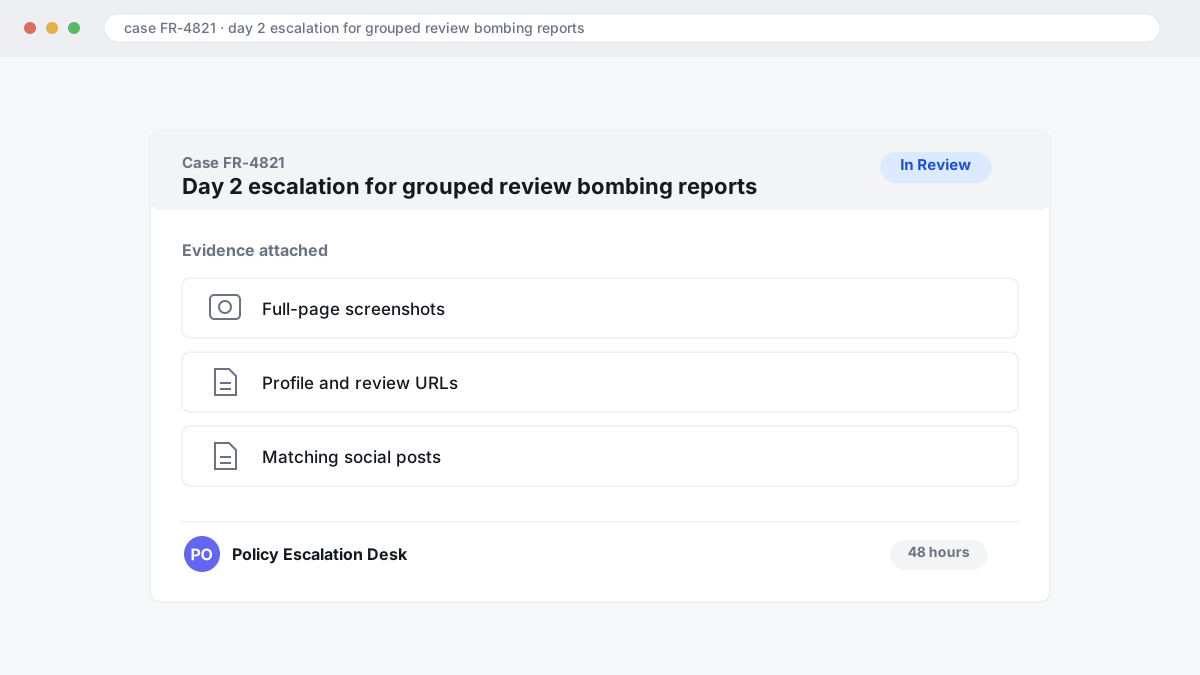
Hour 1 is about control. Take full-page screenshots of every new review, the reviewer name, star rating, timestamps, profile URLs, and any matching social posts or emails that point to coordination. Assign one owner inside your team, then freeze improvised staff replies straight away, because mixed responses create contradictions that platforms can read as uncertainty when you later cite the Google Business Profile review policy or Trustpilot’s flagging flow.
Day 1 is triage. Group each review by platform, policy issue, and reviewer pattern: non-customer, duplicate wording, sudden location mismatch, ideological attack, competitor-linked account, or a real service complaint that still needs a normal reply. Keep those buckets separate. A weak report says “we were attacked”; a useful report says “12 Google reviews posted within hours, 7 use near-identical wording, 5 reviewers show no customer record”.
Day 2 onward is case management. Report each review or review cluster through the platform route, save every case ID, note the submission date, and log each outcome link by link so follow-ups stay factual instead of emotional.
Where to go from here
Review bombing is a pattern problem before it is a removal problem. One angry real customer can leave a harsh review and still fall within policy. A burst of non-customer posts, copied wording, location mismatches, or accounts that appeared at the same time points to coordinated abuse. That is why your first move in the first 48 hours is evidence capture: export the live links, take dated screenshots, note posting times, and separate genuine complaints from reviews that appear to breach the platform's rules.
Your next step is a structured removal assessment. Check each review against the relevant platform policy, then escalate link by link with the clearest proof you have, because broad claims like “we are being attacked” rarely move a moderation team. Expect mixed outcomes: platforms may remove obvious fake or policy-violating reviews, leave opinion-based criticism live, and take days or longer to respond depending on the queue.
If the reviews are real and compliant, the practical fix is response management, not removal.