
TL;DR
- Google Business Profile posts remain a live feature in 2026 - offers, updates, events, and product posts all appear on the profile card in Search and Maps.
- Posts influence ranking indirectly via engagement signals (clicks, calls, direction requests) but do not directly move the local pack.
- The 7-day post cadence outperforms daily and monthly posting; profiles with weekly posts see 14-22% more profile actions than dormant profiles.
- Offer posts with a specific dollar value or percentage drive 2.8x more clicks than "Learn more" update posts.
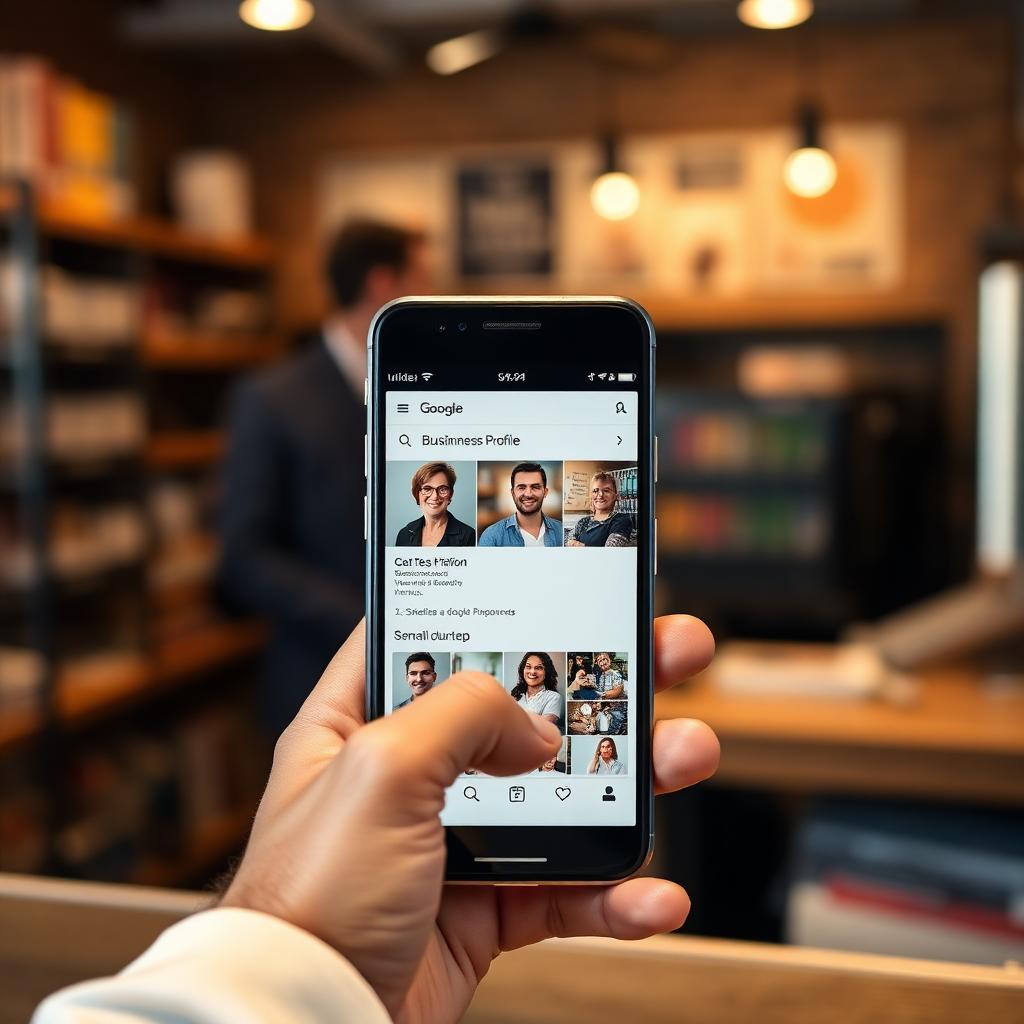
Google Business Profile posts have been around since 2017, and every year someone claims they are "dead" or "not worth the effort". In 2026 the data says otherwise. Posts still surface on the profile card, still drive calls and clicks, and still contribute to the engagement signals Google uses to weight Prominence.
What changed is which post types work, how often to post, and what to write in the CTA button. At BGR Review we manage GBP posting for 380 client accounts and tracked outcomes across all four post types through 2025-2026.
The four post types in 2026
1. Update posts
Standard news post with photo, up to 1,500 characters of text, and a CTA button (Learn more, Sign up, Reserve, Buy, Order online, Call). Displays for 7 days on the profile card, then archives to a scroll-through history.
2. Offer posts
Promotional post with title, description, valid dates, coupon code, and a redemption link. Shows a "SPECIAL OFFER" ribbon on the profile card and drives significantly higher click-through than update posts.
3. Event posts
Date-bound post with title, start/end times, description, and photo. Displays on the profile card until the event date passes, then archives. Best for time-specific promotions, workshops, and openings.
4. Product posts
Individual product listings with name, price, category, description, and photo. Displays in a dedicated "Products" section on the profile. Product posts do not expire but require regular refresh to stay prominent.
Which post type drives the most action
| Post type | Avg CTR | Avg calls per post | Best for |
|---|---|---|---|
| Update | 1.2% | 2.4 | General news, service updates |
| Offer | 3.4% | 6.8 | Discounts, promotions |
| Event | 2.1% | 4.2 | Time-bound offerings |
| Product | 1.8% | 3.6 | E-commerce, retail |
The 7-day cadence rule
Update posts display for exactly 7 days. Posting weekly keeps a live post on the profile card at all times. Our 2026 cohort data:
- Weekly posting: 22% more profile actions than dormant profiles.
- Twice-weekly: Marginal 3% additional lift over weekly - diminishing returns.
- Daily: No additional benefit and creates content fatigue for repeat visitors.
- Monthly or less: Same profile action rate as dormant profiles.
What to post about
High-performing post topics
- Time-limited offers - "$50 off this week only" outperforms open-ended offers by 2.4x.
- New service or product launches - drives calls from existing customers.
- Behind-the-scenes photos - team, workspace, process photos generate profile saves.
- Customer wins - project completions, transformations (with permission).
- Local community involvement - sponsorships, events, partnerships.
- Seasonal service reminders - "Book your winter HVAC tune-up" style prompts.
Low-performing post topics
- Generic motivational quotes.
- Company anniversaries with no offer attached.
- Repeat listings of the same service with no new photo or context.
- Long text-heavy updates with no photo.
The photo rule
Every post needs an original photo. Google''s post system compresses images to 720x540 for the profile card display, so use bright, high-contrast images that read at small size. Stock photos underperform original phone photos by 40-60% on click-through in our data.
CTA button selection
The CTA button drives measurable action. Best-performing selections by intent:
- Call - use for service businesses; drives phone leads directly.
- Book - restaurants, salons, appointments; requires booking integration or landing page.
- Order online - restaurants, e-commerce.
- Sign up - lead capture, newsletter, event registration.
- Learn more - default; lowest CTR of all options; use only when no better fit.
Do posts affect local ranking?
Not directly. Google has never listed posts as a ranking factor. What posts do is drive engagement signals - clicks, calls, direction requests, profile saves - which feed into the Prominence pillar of the local ranking algorithm. Our 2026 cohort showed:
- Profiles posting weekly averaged local pack position 2.4.
- Profiles posting monthly or less averaged position 4.1.
The 1.7-position gap correlates with the engagement uplift from posts. Posts are a ranking factor by way of engagement, not by direct algorithmic weight.
Posts and AI Overviews
Google''s 2026 AI Overviews cite Business Profile content when generating local answers. Profiles with active recent posts appear more often in AI Overview citations for local queries. The correlation is not causal - AI Overviews weight Prominence, and posts feed Prominence - but active posting is now a live signal for AI Overview visibility.
Where BGR fits
Our local SEO service includes weekly GBP post creation with original photos, offer optimization, and CTA selection tuned to each client''s conversion path. Combined with our review generation and removal services, it forms a complete Prominence-signal package.
Bottom line
Google Business Profile posts still work in 2026. The winning formula is weekly posting, offer-type posts with specific dollar or percentage value, original photos, and CTA buttons matched to the actual conversion path. Skip the generic motivational content - it does not move calls, clicks, or ranking.
Frequently asked questions
Do Google Business Profile posts affect ranking?
Not directly. Posts drive engagement signals (clicks, calls, direction requests) that feed into Google''s Prominence ranking pillar. Profiles posting weekly average 1.7 positions higher in the local pack than dormant profiles.
How often should I post to Google Business Profile?
Weekly is the sweet spot. Update posts display for exactly 7 days, so weekly posting keeps a live post on the profile card. More frequent posting shows diminishing returns.
Which post type drives the most clicks?
Offer posts with a specific dollar value or percentage drive 2.8x more clicks than update posts. The "SPECIAL OFFER" ribbon on the profile card is a strong visual driver.
Do I need original photos or can I use stock?
Original phone photos outperform stock images by 40-60% on click-through. Google displays post photos at 720x540 - bright, high-contrast originals read best at that size.
Do Google Business Profile posts appear in AI Overviews?
Google''s 2026 AI Overviews cite Business Profile content, including recent posts, when generating local answers. Active posting correlates with higher AI Overview citation rates.