Expert reputation management guides, review platform updates, and case studies from the team behind 15,000+ business reputations.
Veterinary reputation management works best when you fix the real bottlenecks: slow replies, stale review recency, and weak evidence on false-review disputes. This page compares DIY, software, and managed help without hiding the trade-offs.
If your listing shows in Google Maps but misses the Local Pack, the issue is usually category fit, weak location-page signals, duplicate interference or a thin review profile. Distance still sets a hard limit.
Law firms need a tighter reputation playbook than most local businesses. The first wins usually come from safer review requests, controlled public replies, and evidence-led removal work on Google, Yelp, or Trustpilot.
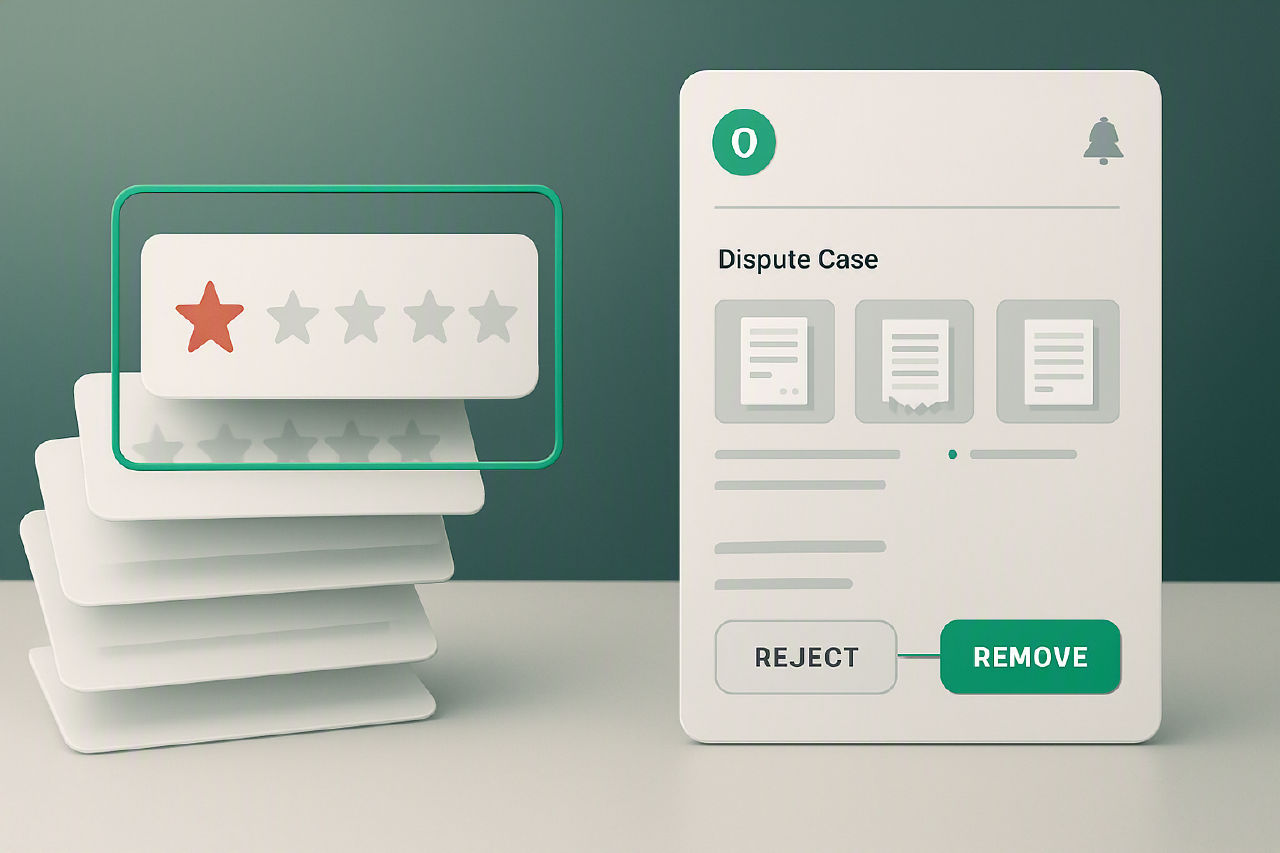
Reputation law sits between platform rules and formal legal claims. The fastest win is often a policy-matched report backed by screenshots, timestamps and proof the reviewer never transacted with you.
Real estate reviews influence two outcomes early: whether you earn the click in Google’s local pack and whether a prospect trusts you enough to call, book a viewing, or request a valuation. The right platform and timing matter more than raw volume.
Google Maps rankings usually move when you fix the signals Google can verify: category, NAP consistency, service relevance and review flow. This guide focuses on the edits that change visibility first, and the mistakes that trigger ranking drops.
Review gating screens customers before sending them to a public review site, then steers happy people to post and unhappy people to a private form. That setup breaks platform rules and often hurts trust, review velocity and conversions over time.
Section 230 usually protects Google, Yelp, and Trustpilot from liability for user reviews, but it does not protect the reviewer who wrote a false factual claim. The practical question is whether you have evidence that fits a named platform policy or a real legal claim.
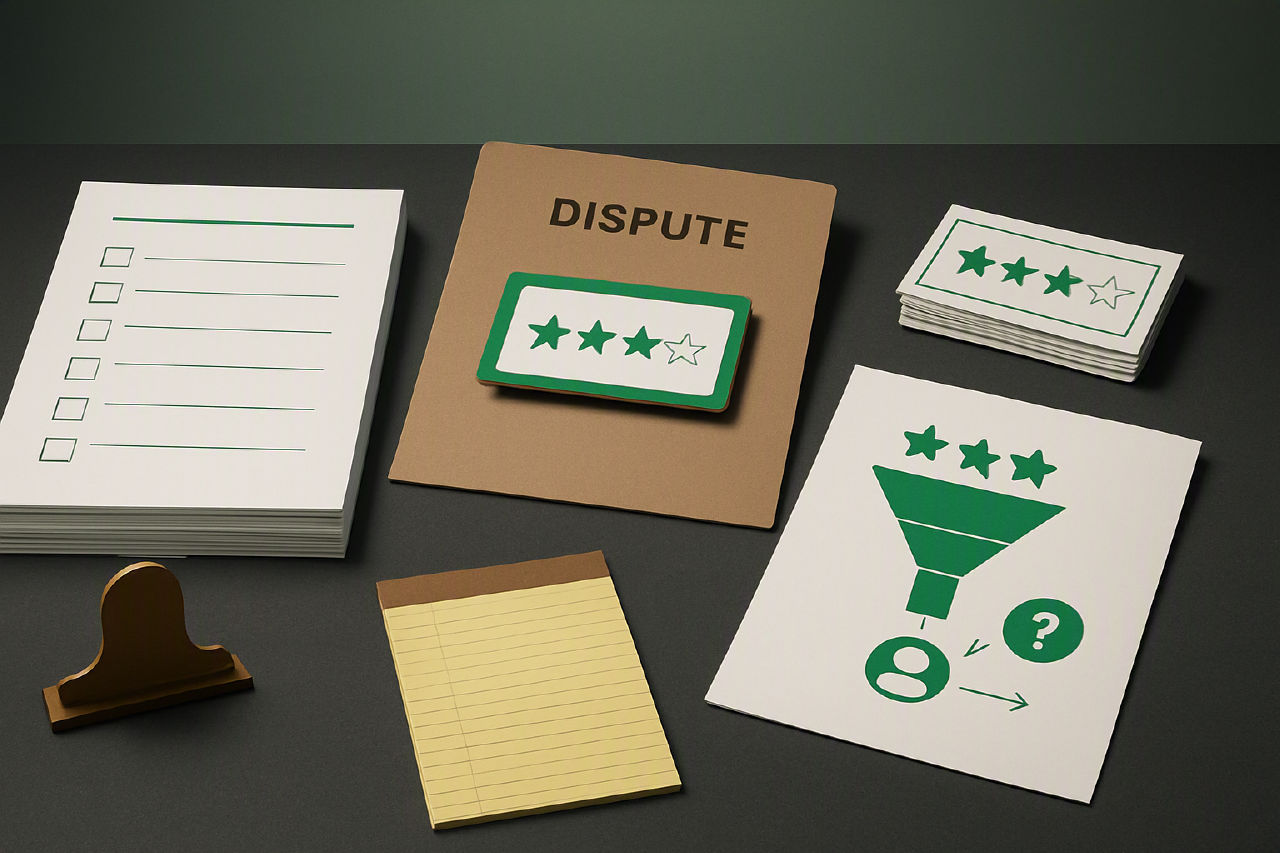
A clean validator result is only the first gate. Google can read your schema markup and still withhold star ratings when the page type, review source or policy fit is wrong.
Star ratings influence clicks, calls and sales most when buyers are comparing similar options. The score matters, but volume, recency and replies usually decide whether that number feels trustworthy enough to convert.
Yelp will not remove a review because it feels unfair or hurts your rating. The workable route is a policy-based report backed by a 5-item evidence pack Yelp can verify quickly.
Citations still matter in 2026, but source control beats directory volume. Clean your core profiles, fix duplicates, and let downstream sites catch up before you expand.
Law-firm reputation work starts with Google Business Profile, review timing, and confidentiality-safe replies. This page focuses on the fixes that change calls and consultations first.
Bing Places can drive branded searches, calls and form fills, but imported data often creates the real problems. The first wins usually come from fixing categories, NAP errors, duplicates and review quality.
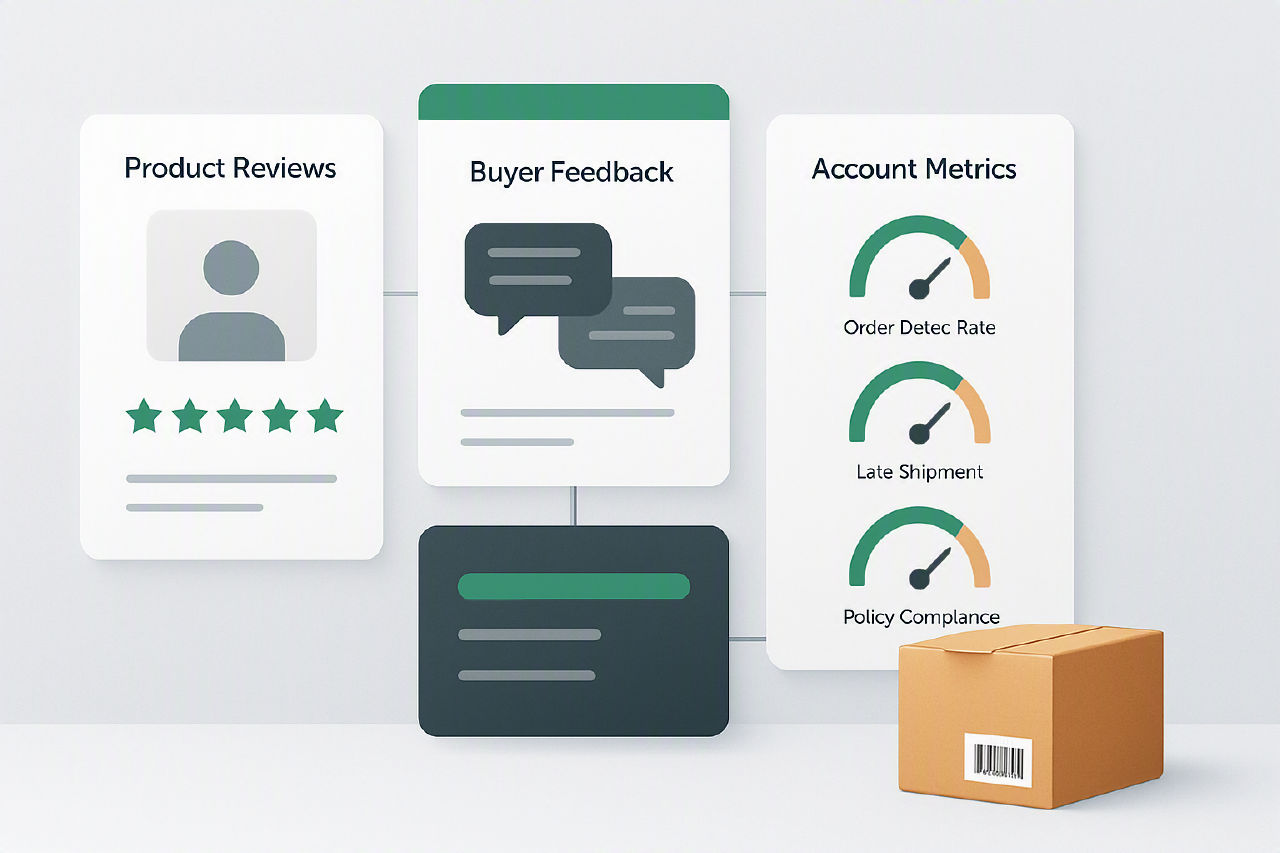
Amazon reputation work splits into three jobs: seller feedback, product reviews, and account health. The right fix depends on which system Amazon is scoring and whether ODR, conversion, or Buy Box pressure is the real risk.
Showing 196-210 of 219 articles