When a fake review is defamatory and the reviewer cannot be identified through the public-signal OSINT workflow, the last-resort path is a subpoena. Google will not voluntarily disclose reviewer identity — it requires either a valid US subpoena issued in a pending civil action, or an equivalent foreign court order recognized under Google's international-request policy. This post is the 6-step workflow we walk clients through when the OSINT path has hit a wall and the underlying review is defamatory enough to justify litigation costs. This is not legal advice — every step below is executed by outside counsel, not by us — but it is the operational map so the client knows what they're paying for and when.
Before you subpoena: the threshold test
- The review contains a false statement of fact (not opinion). See Libel vs Slander and Online Defamation Law for the fact-vs-opinion analysis.
- The false statement caused identifiable harm (lost customers, contract cancellation, employment impact) — quantifiable damages are required for most jurisdictions to grant discovery.
- OSINT has failed. Courts increasingly ask 'what other identification steps did the plaintiff exhaust?' before granting Doe-subpoena discovery. Document your OSINT attempts.
- Litigation budget of $8,000-$25,000 through subpoena response is realistic. The subpoena itself is cheap; the Doe lawsuit that authorizes it is not.
The 6-step workflow
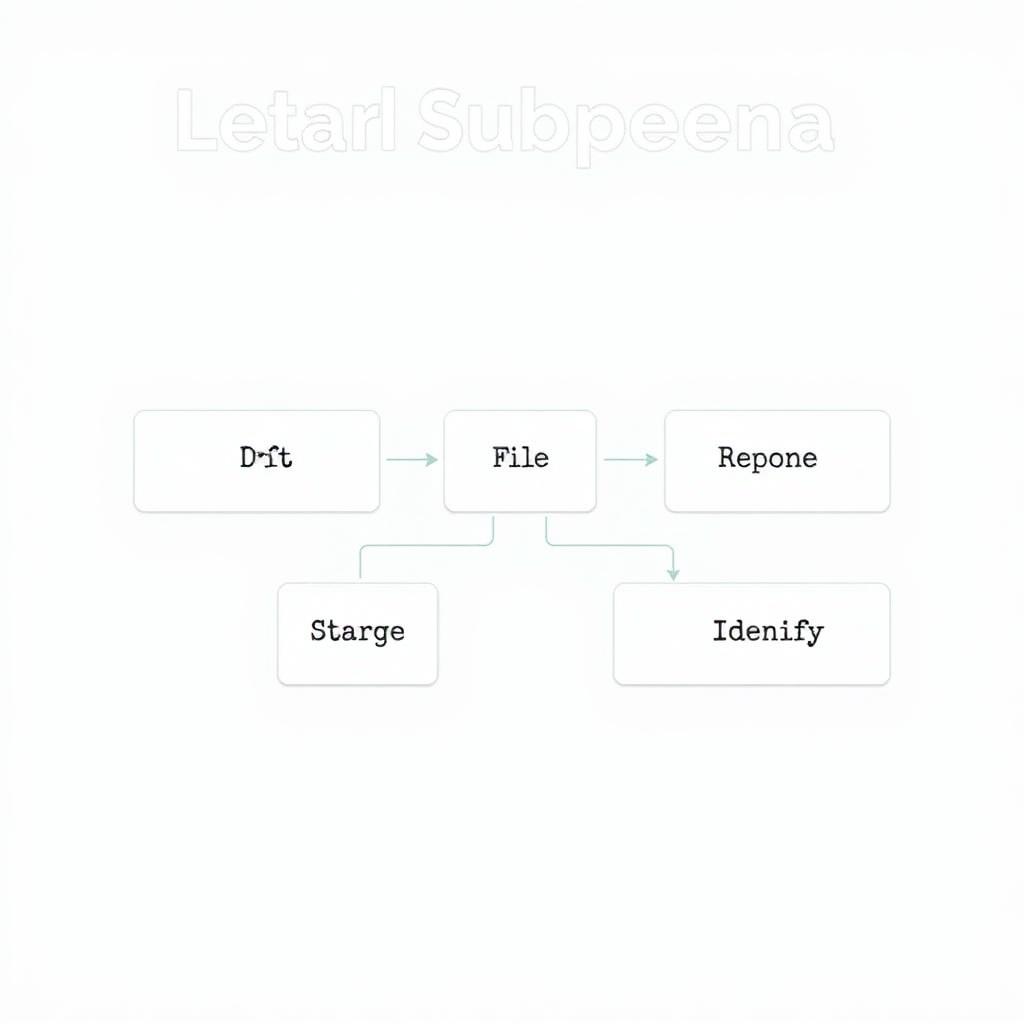
Step 1: File the Doe lawsuit
Counsel files a defamation complaint naming 'John Doe (aka "[reviewer display name]")' as the defendant, in the plaintiff's home jurisdiction (or a jurisdiction where the review's harm was felt). The complaint pleads: (a) the specific false statements verbatim, (b) why each is a statement of fact rather than opinion, (c) the actual malice or negligence standard depending on plaintiff status, (d) quantifiable damages. Filing fee is typically $200-$500. The lawsuit exists only to create the vehicle for the subpoena — no defendant is served yet because the defendant is unknown. See How to File a Defamation Lawsuit for the pleading fundamentals.
Step 2: Motion for early / expedited discovery
Federal Rule of Civil Procedure 26(d) bars discovery before the Rule 26(f) conference — which cannot happen until the defendant is served. The motion asks the court to authorize discovery before that conference on the specific grounds that the defendant's identity is unknown and required for service. Federal courts apply the Sony v. Does 1-40 or Dendrite v. Doe standard depending on circuit, which typically requires: (a) a prima facie defamation showing, (b) specific identification of the missing information, (c) subpoena narrowly tailored, (d) plaintiff's need outweighs the anonymous speaker's First Amendment interest. State courts apply variations. This motion is where most Doe-subpoena efforts fail — a weak defamation prima facie showing gets the motion denied and the case ends here.
Step 3: Draft the subpoena to Google
Once the motion is granted, counsel drafts a Rule 45 subpoena duces tecum served on Google LLC (registered agent: CSC, 251 Little Falls Drive, Wilmington, DE 19808). The subpoena requests, for the specified review URL: (a) account holder name on file, (b) email address, (c) IP addresses used to create the account and post the review, (d) timestamps, (e) any phone number on file. Do NOT ask for 'all communications' or 'all associated accounts' — an overbroad subpoena is the second most common failure mode. Narrow scope survives motion-to-quash challenges.
Step 4: Serve Google and post notice
Serve the subpoena on Google's registered agent. Simultaneously, Google's policy — and California's Anti-SLAPP framework which Google's disclosure practice tracks — requires that Google notify the affected user of the subpoena and give them a window (typically 21 days) to file a motion to quash. Some jurisdictions also require the plaintiff to publicly post notice of the lawsuit (e.g. on the platform where the review appeared) to give the anonymous defendant constructive notice. Counsel handles both notice steps.
Step 5: Response period and possible motion to quash
The reviewer has 21 days to file a motion to quash the subpoena. About 30% of subpoenaed reviewers file some form of opposition in our client base; roughly 60% of those motions are denied because they don't rebut the prima facie showing that got the discovery motion granted in Step 2. Motion practice at this stage adds $2,000-$8,000 in fees and 4-8 weeks of calendar time. If no motion is filed, or if the motion is denied, Google proceeds to disclosure.
Step 6: Google's disclosure and next steps
Google typically produces the subpoenaed records 7-14 days after the response window closes with no active motion to quash. Records arrive as a sealed production to counsel. The information almost always identifies the reviewer directly (real name on the Google account) or gives an IP address that resolves to an identifiable subscriber through a second subpoena to the ISP. With the reviewer's identity known: (a) amend the complaint to name them as the defendant, (b) serve the amended complaint, (c) either proceed to summary judgment or negotiate settlement — most cases settle at this stage with a full retraction, a stipulated removal request to Google, and a cost-of-litigation payment, without proceeding to trial.
Realistic timeline and cost
When the subpoena path is the wrong choice
- The review is opinion, not fact — subpoena will be quashed on First Amendment grounds. Focus on Google BRF removal instead.
- Damages under $10,000 — the economics don't work; litigation costs will exceed recovery.
- The reviewer is in a foreign jurisdiction Google won't disclose to (Google's international policy requires a court order recognized under the treaty framework of the requested country).
- You want the reviewer publicly named — the settlement path almost always includes a confidentiality clause. Litigating to trial for a public verdict costs $75k+.
FAQ
Q.Does Google fight the subpoena itself?
Rarely. Google's role is to comply once a facially valid subpoena is served and the user notice period has run. Google occasionally files a limited response objecting to overbroad requests but does not defend the anonymous reviewer's identity substantively.
Q.What if the reviewer used a fake name on their Google account?
The IP addresses and account creation timestamps often still identify the person — either directly (linked to their personal Gmail on the same device) or through a follow-up subpoena to the ISP that holds the IP allocation records. Full anonymity from a determined identification effort is rare.
Q.Can I subpoena Google without filing a lawsuit first?
Almost never — the subpoena needs a case caption. Some state pre-litigation discovery petitions (e.g. California CCP § 2035.010, New York CPLR § 3102(c)) allow limited pre-suit discovery, but Google's policy is to require a US-issued subpoena in a pending civil action for most disclosure requests.