
A slow trickle of fake reviews (2-3 per week) is handled by the standard workflow — one BRF submission per review, standard 5-14 day timeline. A bulk attack is different. Fifty or more fake 1-stars filed inside 24 hours does two things at once: it wrecks the star average visibly and instantly, and it breaks the standard removal workflow because per-review submissions at that volume trip Google's per-listing pacing flags (see GBP Suspension After Review Disputes playbook) and can suspend the listing you're trying to protect. This is the 72-hour batch playbook we run for bulk attacks inside our Google review removal service.
The four-phase 72-hour response
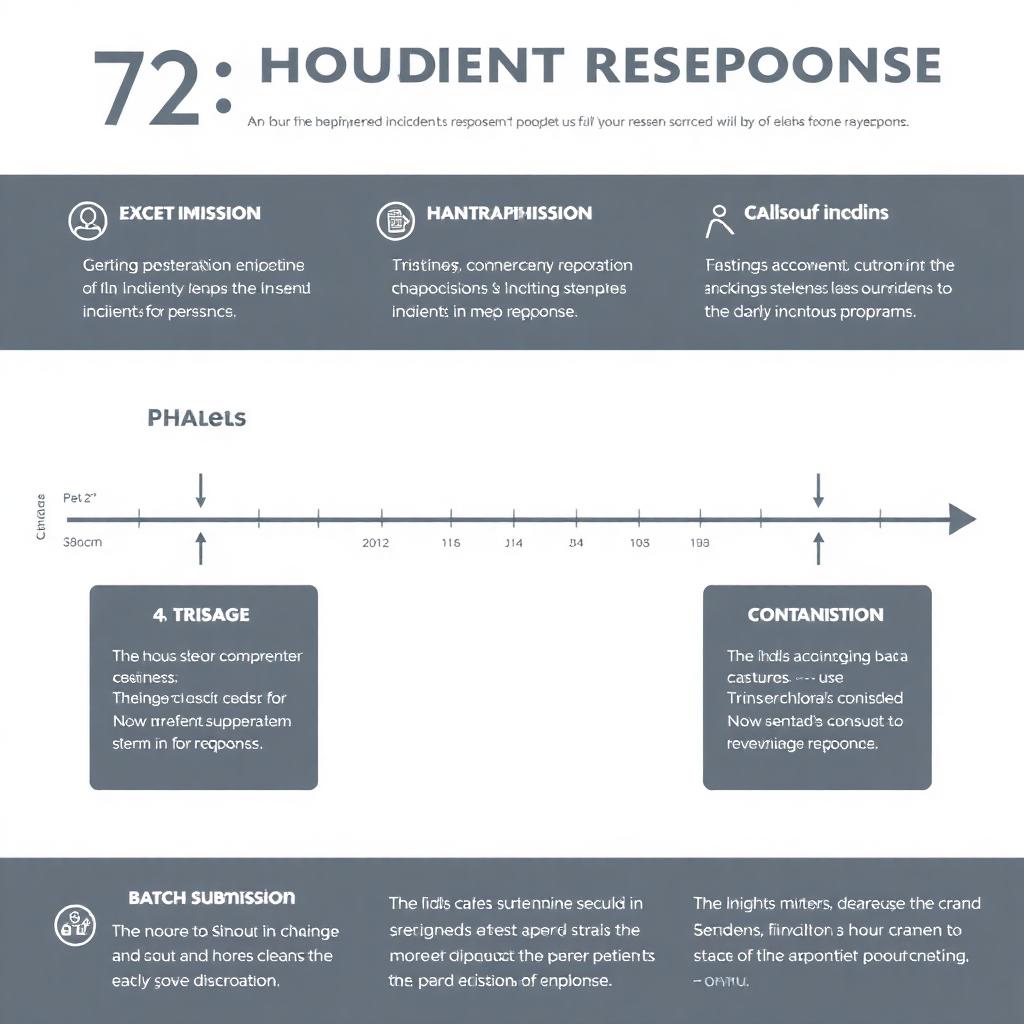
Phase 1: Triage (hours 0-6)
Do not submit anything in the first 6 hours. Instead, extract every incoming review into a spreadsheet with these columns: reviewer name, profile URL, review text, timestamp (to the minute), star count, and whether they've reviewed other businesses. This spreadsheet becomes the evidence backbone for the entire attack response. Look for the fingerprint: same phrases repeated across reviews, timestamps clustered inside a narrow window, reviewers with 0 or 1 other reviews, matching profile creation dates. See our Competitor Sabotage Review Fingerprinting playbook for the detection signals. Triage output: (a) a categorized list of reviews grouped by shared fingerprint, (b) a screenshot archive of every review as filed (Google removes reviewer profiles fast; capture them now), (c) a written incident summary for the cover letter.
Phase 2: Containment (hours 6-24)
Two moves in parallel. First, generate real 5-star review activity — email your last 30 satisfied customers with a review link and a short honest note ('we're facing coordinated fake reviews; if you had a good experience recently, a genuine review helps'). Do not offer incentives. Real reviews at this stage dilute the visible star drop while removal proceeds — see Star Rating Recovery playbook for the recovery math. Second, respond publicly to 5-10 of the fake reviews with a calm, factual response noting you have no record of the reviewer as a customer and are investigating. Do not respond to all of them — mass responses look defensive and can themselves flag the listing.
Phase 3: Batch submission (hours 24-60)
This is the phase most operators get wrong. The temptation is to file all 50 BRF submissions the moment the spreadsheet is ready. Google's per-listing pacing flag caps unfiltered submissions around 4-6 per week on a single listing before it starts deprioritizing your queue or suspending the listing. The correct approach: file the strongest 4-6 cases in a first batch (hours 24-36), each with a cover letter that references the coordinated pattern and links to the fingerprint evidence, then file the next batch of 4-6 in hours 36-48, and the remainder in hours 48-60. Every submission cover letter says the same thing at the top: 'This review is part of a coordinated attack of [50+] reviews filed on [date] against our listing. Full incident evidence attached.' The pattern context lifts individual-review removal rates from 44% (isolated fake report) to 78% (coordinated attack context) in our incident log.
Phase 4: Recovery (hours 60-72 and beyond)
By hour 72, the first batch of removals should be posting (Google's typical response is 24-48 hours on coordinated-attack submissions with strong evidence). The remaining batches continue posting through days 4-10. Recovery work at this phase: (a) track the star average recomputation curve — expect 3-5 days for the star to visibly rebound as fake reviews are pulled and real 5-stars from your containment email land; (b) file appeals on any rejected batch members using the appeal playbook (Google Review Appeal After Denial); (c) if the attack came from an identifiable competitor, preserve the full evidence archive for potential legal action per our Competitor Sabotage playbook.
Removal rates from real incidents
The last statistic is the one to internalize: filing all 50+ at once suspends the listing in one out of three cases in our log. Pacing is not optional. It is the difference between removal and losing the listing.
When to escalate beyond the standard playbook
- Attack volume exceeds 100 reviews in 24 hours — batch submission can't keep up; escalate to Google's Trusted Advisor program if you have a Business Profile Manager relationship.
- Reviews reference specific PII (staff names, home addresses, private business details) — legal escalation path applies, see Named Employee Defamation playbook.
- The attack recurs weekly — fingerprint and file a single consolidated report to Google's Business Profile abuse channel citing the recurring pattern.
FAQ
Q.Should I pause my Google Ads during a bulk attack?
No. Pausing ads while the star average is at its lowest amplifies the revenue hit. Keep ads running through the recovery window; the visible star average recovers faster than search ranking (see Star Rating Recovery), so ad traffic bridges the gap.
Q.Will Google notice the pattern without my evidence?
Sometimes — for very obvious coordinated attacks (identical text across 50 reviews filed inside one hour), Google's automated filters catch and remove them within 24 hours with no submission needed. But most attacks in our log used varied text and pacing that evaded automated detection; those required the batch-submission workflow above.
Q.How much does bulk-attack response cost?
Inside our pay-after-win pricing model, per-review pricing applies to each removed review; the incident triage and evidence archive are included. Total cost scales with removal count, not attack size.