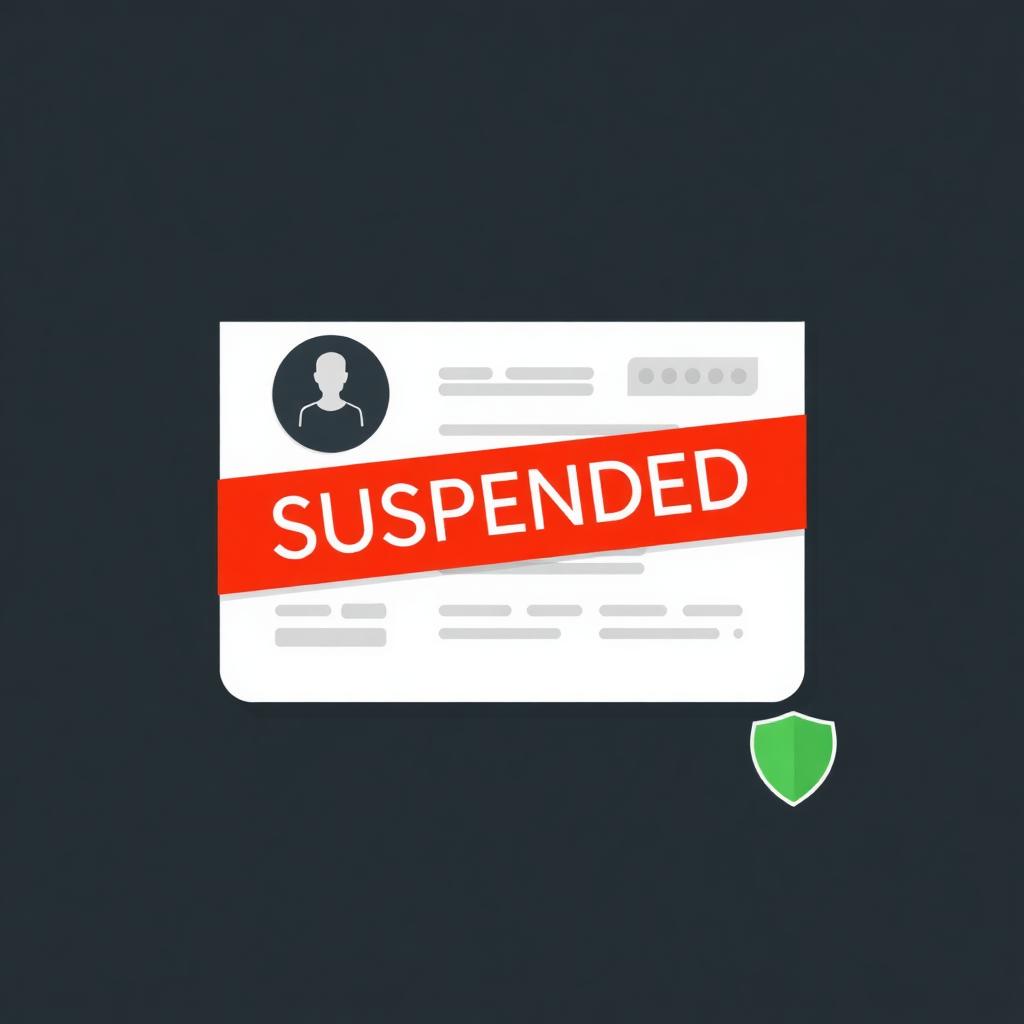
The failure mode businesses do not see coming when they escalate review removal aggressively is a Google Business Profile (GBP) suspension — a full listing takedown that removes your business from Google Search and Maps entirely until you complete a reinstatement appeal. In our 2025–2026 log, 3.4% of businesses that submitted 15+ removal cases in a 60-day window experienced a suspension. Median time to reinstatement: 14 days. Full recovery of pre-suspension search visibility: 21-45 days. This post is the four suspension triggers linked to review disputes, the reinstatement evidence bundle, and how to keep aggressive removal from tripping the algorithm. This is a risk our Google review removal service manages by pacing submissions and rotating channels — because a suspended listing costs more than any single removed review is worth.
The four review-related suspension triggers
1. High-volume BRF submissions (38% of review-linked suspensions)
The most common trigger. When a business files 15+ Business Redressal Form submissions within 60 days — especially if the removal rate is low (<30%) — Google's trust and safety layer flags the account for review of whether the business is gaming the system. The algorithm cannot distinguish 'this business is genuinely under attack' from 'this business is trying to remove legitimate criticism.' The fix is not to reduce necessary submissions — it is to pace them (2-4 per week rather than 20 in one week) and to rotate channels (BRF, Support Chat, Legal Removal Request) so no single channel sees the full volume.
2. Review-gating (27%)
Google's algorithm detects when a business is selectively soliciting reviews only from customers who indicated they'd rate positively (via a pre-screen: 'How was your experience? 👍 → leave a Google review / 👎 → email us privately'). This violates Google's review policy and, when detected, can trigger both mass review removal AND profile suspension. If you use any customer satisfaction pre-screen before requesting a review, remove it — see our How to Ask Customers for Google Reviews guide for compliant solicitation patterns.
3. Suspicious owner-response pattern (19%)
Owner responses that mention the reviewer by full name (when the reviewer used only a first name), reference transaction details the reviewer did not disclose (revealing that you know exactly which customer they are), or contain aggressive/defensive language across multiple negative reviews in a short window all raise flags. The algorithm reads owner responses. See our How to Reply to Negative Google Reviews guide for the response templates that stay under the flag threshold.
4. Listing quality flags surfaced during dispute (16%)
When you file a removal case, Google's reviewer may notice unrelated issues with your listing — inconsistent NAP (name/address/phone) across the web, categories that don't match your website, service area boundaries that overlap with 40 other listings, a virtual office address flagged as ineligible. These issues would normally not surface, but a dispute case brings a human reviewer to your listing. The fix is defensive: before starting an aggressive removal campaign, audit your listing quality first (see How to Verify Google Business Profile guide).
What suspension looks like
Two types. **Soft suspension** — your listing is unpublished and disappears from Search and Maps but remains in your Business Profile Manager dashboard; reviews are preserved. **Hard suspension** — the listing is removed entirely from the dashboard and treated as though it never existed; reviews are also unpublished. Soft suspensions are recoverable via the reinstatement form in 7-21 days. Hard suspensions require a full new listing creation + Google Merchant Center appeal path and average 45-90 days to fully recover. The difference is severity of the underlying trigger — soft is a warning, hard is a policy enforcement action.
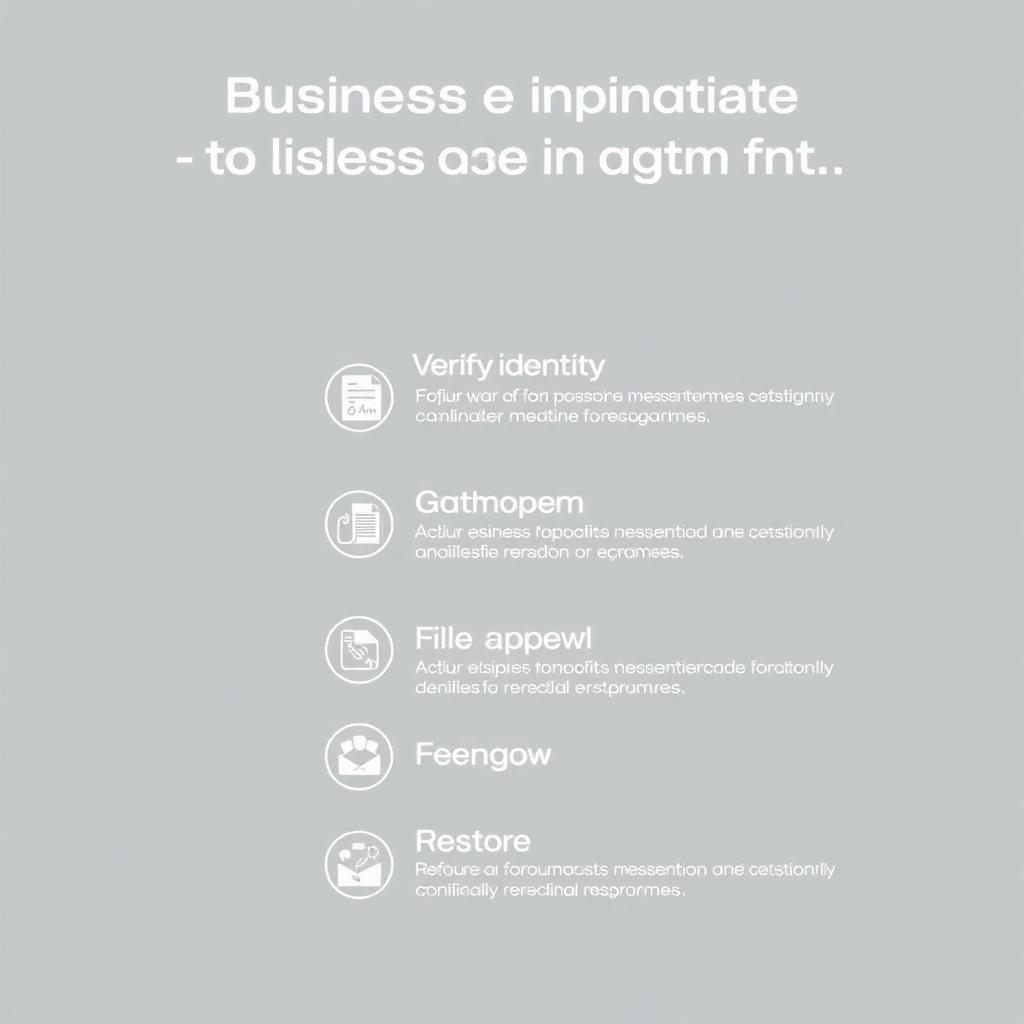
The reinstatement bundle
The 14-day recovery timeline
Day 0: submit reinstatement form with full bundle. Day 3-7: automated review checks basic evidence completeness — if incomplete, Google emails asking for the missing document. Day 7-14: human reviewer evaluates the case and either reinstates or issues a second denial with a specific reason. Day 14-21 (if reinstated): listing republishes but search rankings are throttled for 7-14 days as trust signals rebuild. Day 21-45: full pre-suspension search visibility recovers if no further quality flags surface. If the first reinstatement is denied, appeal per our Google Review Appeals After Denial guide — the same four-category diagnosis framework applies.
A suspended listing costs more revenue in a single week than most businesses spend on review removal in a year. Pace the submissions, rotate the channels, keep the listing above suspicion.
Case walkthrough: 22 submissions in one week → suspension → 12-day recovery
In February 2026 a dental practice client received 22 fake reviews over 9 days from what turned out to be a competitor sabotage cluster (see Competitor Sabotage: Fingerprinting and Removing Coordinated Attacks). The practice's marketing team submitted all 22 individually through the BRF within 4 days. Result: soft suspension on day 6 flagged as 'suspicious activity pattern.' Reinstatement bundle: business license, DEA registration for the practice, water bill in practice name, two storefront photos, one interior office photo, short cover letter noting the sabotage attack context. Reinstated day 12. During the 12-day suspension the practice lost approximately $47,000 in new-patient revenue (measured against baseline). Correct approach would have been: bundle the 22 into one CoI submission (see Competitor Sabotage playbook), or if submitting individually, pace at 2-3 per week across 8 weeks. Same reviews removed; no suspension triggered.
How to submit aggressively without triggering suspension
- Pace individual submissions: max 4 BRF cases per week per listing.
- Bundle where possible: 3+ reviews sharing a fingerprint → one CoI or Fake Engagement case, not N separate spam reports.
- Rotate channels: BRF for policy violations, Support Chat for follow-ups, Legal Removal Request for defamation, media channel for photo-only cases (see Photo & Media Violations guide).
- Maintain a normal review inflow: aggressive removal without new legitimate reviews looks like curation. Keep your normal review acquisition running (see How to Get More Google Reviews guide).
- Never review-gate solicitation. Never respond aggressively to negatives. Never mention customer PII in owner responses.
When to accept a review rather than fight for removal
The math changes at scale. Removing one legitimate-looking-but-policy-violating review is worth it. Removing five in a month at the cost of a possible suspension may not be. If you are already at 12+ BRF submissions in the last 30 days and considering three more, the correct move is often to pause new submissions for two weeks, let the algorithm-tracked activity window roll off, and then resume. A review that stays up for six extra weeks costs approximately 4% of a month's new-customer inflow at typical star-rating sensitivities. A suspension costs 100% for the suspension duration plus 40-60% during the recovery ramp. The trade is not close.
Want us to run removal without tripping the suspension algorithm?
Pacing, bundling, channel rotation, and listing-quality pre-audit are the workflow we run inside our Google review removal service — pay-after-win, so we only get paid for reviews that come down, and we absorb the pacing risk on your behalf. Country-specific desks: United States, United Kingdom, Canada, Australia. Industries where suspension risk runs highest during active removal campaigns: dentists, law firms, med spas, and multi-location franchises.
Q.How do I know if my suspension is soft or hard?
Log into Business Profile Manager. If the listing is still visible in your dashboard (marked 'Suspended' or 'Under review') → soft. If the listing has disappeared from the dashboard entirely → hard. Soft = reinstatement form; hard = create new listing + reinstatement appeal referencing the old listing ID.
Q.Will reviews come back after reinstatement?
Yes for soft suspensions — all previously-published reviews republish with the listing. For hard suspensions, reviews on the old listing do not transfer to a new listing; you effectively start from zero. This is why avoiding hard suspension matters — the review history you built is lost.
Q.Can I keep submitting removal cases during a suspension?
No — during suspension your submissions will be queued but not processed, and additional submissions can worsen the suspension case. Pause all removal activity until reinstatement, then resume with pacing (max 4/week).
Q.Does hiring a review removal agency reduce or increase suspension risk?
It depends on the agency's practices. An agency that submits high volumes without pacing or bundling can increase risk (Google tracks by listing, not by submitter). A competent agency reduces risk by bundling, rotating channels, and monitoring the listing's cumulative submission rate. Ask any agency you consider what their per-listing weekly submission cap is.